
Chinese cuisine is celebrated worldwide for its bold flavors and culinary artistry. Yet, beyond the familiar dishes like Peking duck or hot pot, there are countless hidden treasures that most food lovers overlook. From obscure sauces that elevate a simple stir‑fry to regional delicacies that have survived centuries, this guide will uncover the secrets that make Chinese cooking truly unique. Whether you’re a seasoned home cook or a curious foodie, you’ll find practical advice and intriguing stories that deepen your appreciation for this vibrant culinary tradition.
1. The Secret Power of Sauces
While soy sauce and oyster sauce are household staples, many Chinese kitchens rely on a handful of lesser‑known condiments to create depth and balance. These sauces are often made from fermented grains, seaweed, or even fermented bean curd, and each carries a distinct aroma profile.
1.1 Doubanjiang: Fermented Bean Paste
Originating from Sichuan, doubanjiang is a spicy, salty paste made from fermented broad beans, soybeans, and chili peppers. It adds umami and heat to dishes like mapo tofu and spicy stir‑fries. The fermentation process develops complex flavors that can’t be replicated with regular soy sauce.
1.2 Qianghua Dou: Fermented Bean Curd
This fermented soybean product has a creamy texture and a tangy, nutty taste. It’s often used to thicken sauces, marinate meats, or simply drizzle over steamed vegetables. The rich umami notes enhance any dish, making it a favorite in northern Chinese households.
1.3 Shaoxing Wine: The “Liquid Soy Sauce”
Although not a sauce in the conventional sense, Shaoxing wine is a staple in Chinese cooking. Its sweet, nutty flavor brightens braised meats, stews, and dumpling fillings. A splash of this amber liquid can replace stock and add depth to any sauce.
2. Rare Ingredients You’ve Never Heard Of
Beyond the common vegetables and meats, Chinese cuisine boasts an array of exotic ingredients that are rarely found outside specialty markets. These items bring unique textures and flavors to regional dishes.
- Lotus Root – Crunchy, slightly sweet, and visually striking when sliced thinly.
- Century Eggs – Preserved eggs with a creamy yolk and savory flavor, often served with soy sauce.
- Snow Fungus – A gelatinous, translucent fungus that absorbs sauces and provides a delicate, chewy texture.
- Black Fungus – Also known as wood ear, it’s prized for its crunchy bite and earthy taste.
- Sea Cucumber – A luxury ingredient in coastal regions, prized for its gelatinous texture and ability to absorb flavors.
- Bird’s Nest – Made from the saliva of swiftlets, it’s a delicacy used in sweet soups and desserts.
Why These Ingredients Matter
In Chinese cooking, texture and balance are as important as flavor. Each of these ingredients contributes a distinct mouthfeel or umami punch that elevates a dish from ordinary to extraordinary.
3. Regional Hidden Gems
China’s vast geography means that each region has developed its own culinary identity. While some dishes are internationally renowned, many regional specialties remain under‑appreciated outside their local borders.
3.1 Jiangnan – Sweet and Light Flavors
In the lower Yangtze basin, chefs favor delicate, sweet sauces made with brown sugar, rice wine, and soy sauce. Classic dishes include sweet and sour mandarin fish and braised pork belly in a silky sauce.
3.2 Yunnan – Spices and Herbs
Yunnan cuisine is known for its use of fresh herbs, mushrooms, and the famed “Xuanwei pepper.” Dishes like mushroom hot pot and boiled fish with garlic sauce showcase the region’s aromatic profile.
3.3 Xinjiang – Fusion of Turkic and Chinese Flavors
Xinjiang’s culinary heritage reflects the Silk Road’s influence. Spicy lamb kebabs, hand‑rolled noodles, and the unique “suanrou” (pickled meat) highlight a blend of Chinese and Central Asian techniques.
4. Practical Tips for Home Cooks
Bringing these hidden secrets into your kitchen is easier than you might think. Here are actionable steps to help you experiment with authentic Chinese flavors.
- Start with Quality Sauces – Invest in authentic doubanjiang, Shaoxing wine, and fermented bean curd from reputable Asian markets.
- Use Fresh, Seasonal Produce – Many Chinese dishes rely on the natural flavor of fresh vegetables; choose local, seasonal ingredients whenever possible.
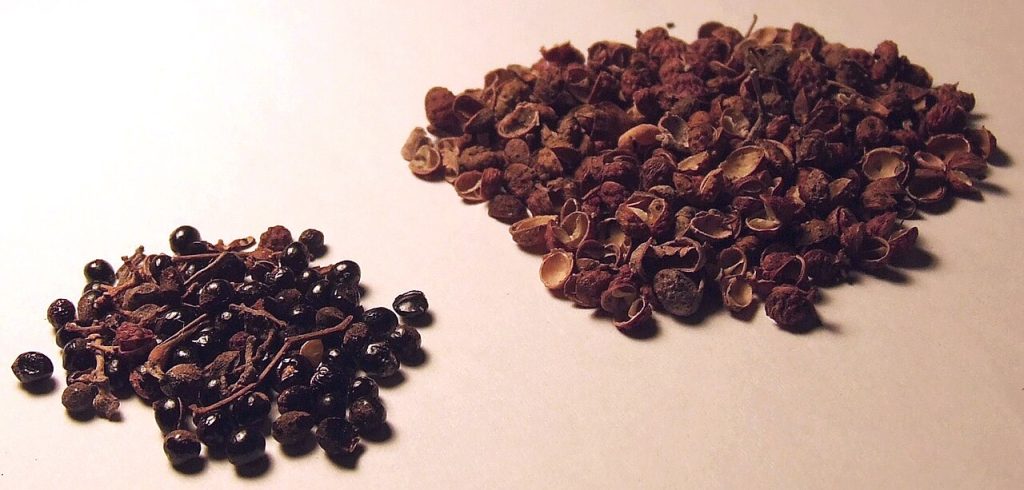
- Master the Five‑Spice Blend – Combine star anise, cloves, cinnamon, Sichuan peppercorns, and fennel seeds to create a versatile spice mix for meats and soups.
- Learn the Art of Stir‑Frying – High heat, quick movement, and a well‑seasoned wok are key to achieving that signature “wok‑fire” aroma.
- Experiment with Fermentation – Try making your own fermented bean paste or pickled vegetables to explore deeper umami notes.
- Practice Portion Control – Chinese cuisine often emphasizes harmony; use small portions of each flavor component to create balance.
5. Conclusion
Chinese cuisine is a tapestry of flavors, textures, and techniques that go far beyond the familiar dishes that dominate international menus. By exploring rare sauces, exotic ingredients, and regional specialties, you can unlock a world of culinary possibilities. Armed with these insights and practical tips, you’re ready to transform your home cooking into a genuine taste of China’s hidden culinary gems.