Introduction
Indonesian cuisine is a tapestry of aromatic spices, tropical ingredients, and regional diversity. From the fiery sambal of the islands to the creamy rendang of Sumatra, every bite tells a story of history, culture, and the abundance of the archipelago. Whether you’re planning a culinary adventure or simply curious about what makes Indonesian food so special, this guide will give you a clear, practical roadmap.
Overview of Indonesian Cuisine
Indonesia’s culinary identity is shaped by its geography and history. With over 17,000 islands, local produce varies from coconut‑rich coastal dishes to rice‑based staples in the highlands. The country’s past as a trading hub introduced spices like nutmeg, clove, and cinnamon, while colonial influences added new techniques and ingredients. Today, Indonesian food is celebrated for its balance of sweet, salty, sour, and spicy flavors.
Key Ingredients You’ll Need to Know
- Spices & Aromatics: Lemongrass, galangal, kaffir lime leaves, turmeric, coriander, cumin, and chili.
- Herbs: Pandan leaves, bay leaves, and fresh basil.
- Proteins: Chicken, beef, pork, seafood, tempeh, and tofu.
- Starches: Jasmine rice, glutinous rice, and noodles.
- Others: Coconut milk, tamarind, palm sugar, and fermented soy products.
Signature Dishes to Try First
Rendang (Beef in Coconut Curry)
This slow‑cooked, dry beef stew from Padang is packed with spices and coconut milk. It’s chewy, savory, and has a deep umami flavor that pairs perfectly with steamed rice.
Nasi Goreng (Indonesian Fried Rice)
A staple for breakfast, lunch, or dinner, nasi goreng blends fried rice with sweet soy sauce, garlic, shallots, and chili. It’s usually served with a fried egg, sliced cucumber, and a side of sambal.
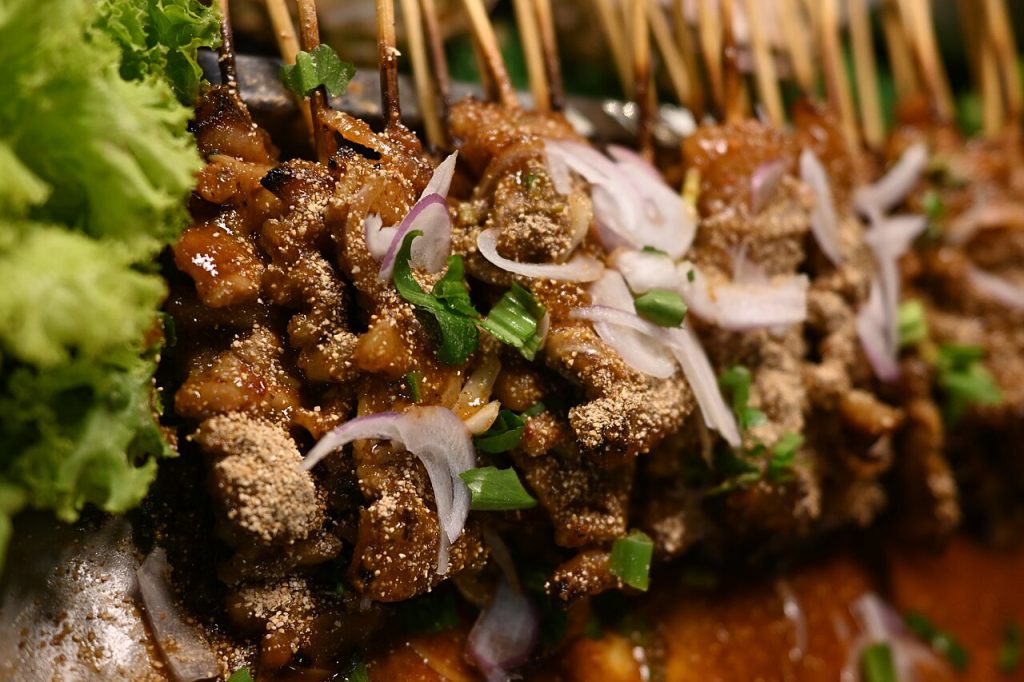
Sate Ayam (Chicken Satay)
Grilled skewered chicken marinated in a blend of peanut sauce, coconut milk, and spices. It’s often served with a fresh cucumber salad and a small bowl of spicy sauce.
Gado‑Gado (Vegetable Salad with Peanut Sauce)
This salad of blanched vegetables, tofu, tempeh, boiled eggs, and crispy fried shallots is coated in a rich, nutty peanut sauce. It’s a refreshing, protein‑rich option that showcases Indonesian love for balance.
Bakso (Meatball Soup)
Indonesian meatballs made from finely ground beef, served in a clear broth with noodles, bean sprouts, and sometimes a soft-boiled egg.
Where to Find Authentic Indonesian Food
Finding genuine Indonesian dishes outside of the archipelago can be a challenge, but several cities have thriving Indonesian communities:
- London: Districts like Whitechapel and Hackney host a range of Indonesian eateries, from casual warungs to upscale restaurants.
- New York City: Manhattan’s Lower East Side and Brooklyn’s Flatbush offer diverse Indonesian cuisines.
- Singapore: The city-state’s multicultural food scene includes many Indonesian restaurants, especially around the Chinatown area.
- Los Angeles: The San Gabriel Valley is home to a growing number of Indonesian eateries.
Practical Tips for Beginners
- Start with the Basics: Try dishes like nasi goreng and sate ayam before exploring more complex recipes.
- Learn the Spices: Build a small spice kit with lemongrass, galangal, turmeric, and chili. These will form the foundation of many dishes.
- Use Fresh Ingredients: When possible, use fresh herbs and produce; they elevate the flavor profile dramatically.
- Watch the Heat: Indonesian food can be spicy—add chili gradually and taste as you go.
- Experiment with Sambal: This chili paste is a versatile condiment that can be made with a range of chilies, garlic, and shrimp paste.
- Try Vegetarian Options: Dishes like gado‑gado, tempeh rendang, and sayur lodeh are delicious and showcase Indonesian creativity.
- Pair with Rice: Steamed jasmine rice is the perfect companion to absorb sauces and spices.
Conclusion
Indonesian cuisine offers a vibrant, aromatic journey that’s accessible to beginners. By familiarizing yourself with the core ingredients, signature dishes, and practical cooking tips, you’ll be well on your way to mastering the flavors of the archipelago. Whether you’re dining out or cooking at home, let your taste buds explore the diversity and depth of Indonesian food.