
Introduction
Japanese food is celebrated worldwide for its delicate flavors, artful presentation, and deep cultural roots. Whether you’re craving a fresh bite of sushi or a comforting bowl of ramen, this guide will give you a clear, practical roadmap to explore Japan’s culinary landscape. We’ll cover the essential ingredients, popular dishes, dining etiquette, and handy tips for sourcing ingredients and cooking at home.
What Makes Japanese Cuisine Unique
Japanese food is built on a few core principles that set it apart: seasonal freshness, balance of flavors, and a respect for the natural qualities of each ingredient. The cuisine emphasizes simplicity, allowing the natural taste of food to shine. The seasonal approach means that menus and markets shift with the weather, ensuring that ingredients are at their peak.
Another hallmark is the meticulous preparation. From the way rice is washed and cooked to the precision of knife work in sushi preparation, every step is intentional and crafted to enhance flavor and texture.
Essential Japanese Staples
Rice
Short‑grain Japanese rice, often called “sushi rice” when seasoned, is the backbone of most meals. It’s sticky enough to hold shapes but not clumpy, making it perfect for sushi, onigiri, and plain steamed dishes.
Soy Sauce & Miso
These fermented sauces provide umami depth. Soy sauce comes in light (usukuchi) and dark (koikuchi) varieties, while miso ranges from mild white to robust red. Both are essential for marinades, soups, and dipping sauces.
Seaweed
Nori (used for sushi), kombu (for stock), and wakame (in salads and miso soup) add mineral richness and a subtle briny flavor.
Vegetables & Fruits
Common staples include daikon radish, shiso leaves, bamboo shoots, and seasonal fruits like persimmons and yuzu. These provide crunch, freshness, and brightness.
Popular Dishes for Beginners
Start with dishes that showcase the fundamentals of Japanese cooking without overwhelming complexity.
- Sushi – Simple nigiri (hand‑pressed rice topped with fish) and maki (rolled sushi) are great for beginners. Focus on high‑quality fish and seasoned rice.
- Ramen – A bowl of broth, noodles, pork or chicken, and toppings like soft‑boiled egg, nori, and green onions. The broth is the star; try shoyu (soy sauce) or miso ramen first.
- Tempura – Light, airy batter fried seafood or vegetables. The key is a cold batter and quick frying to keep the coating crisp.
- Okonomiyaki – A savory pancake filled with cabbage, pork, and a sweet‑savory sauce, perfect for a hands‑on cooking experience.
- Udon – Thick wheat noodles served hot or cold, often topped with scallions, tempura, or a raw egg.
These dishes introduce you to the core flavors—umami, saltiness, sweetness—and the textures that define Japanese cuisine.
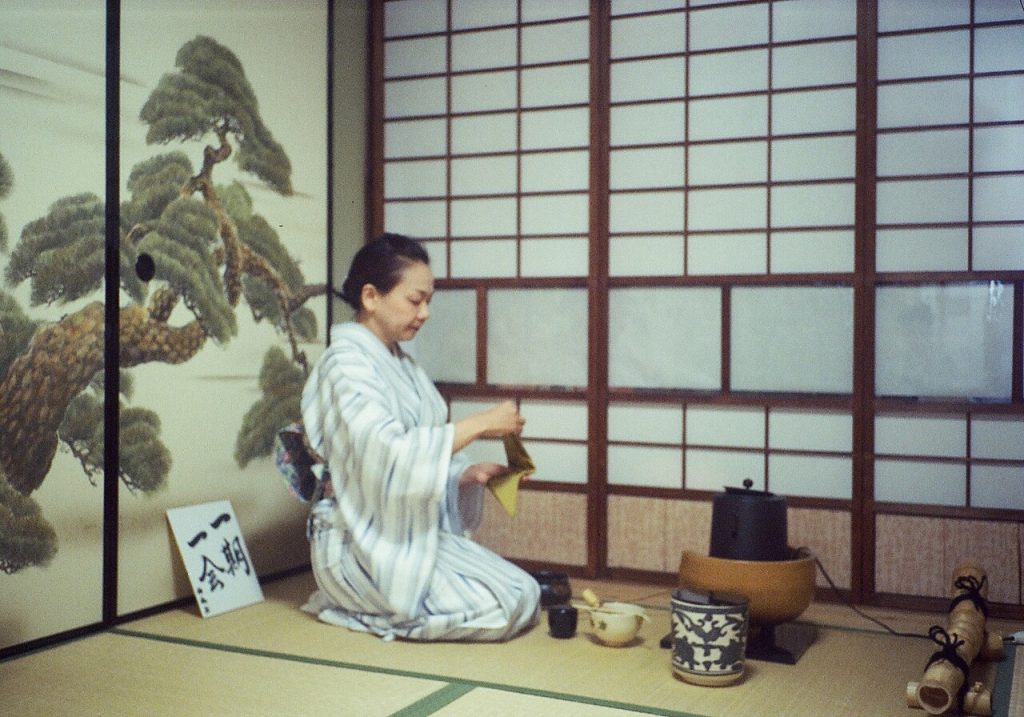
How to Eat Like a Local
Chopstick Etiquette
Chopsticks are used for most foods. Avoid sticking them upright in a bowl of rice—this resembles incense sticks used in funerals. Instead, hold them gently at the top and use them to pick up food.
Order & Portioning
When dining out, it’s common to order a variety of small dishes to share. If you’re at a sushi bar, let the chef know your preferences (e.g., no spicy tuna). At ramen shops, you can ask for a lighter broth if you’re new to the flavor.
Eating Pace
Japanese dining values mindful consumption. Take small bites, savor each flavor, and finish the entire dish before moving on. This practice shows respect for the chef’s effort.
Drinks & Pairings
Sake, green tea, and light beers complement most Japanese dishes. Try a cup of matcha after a meal for a cleansing finish.
Practical Tips for Shopping and Cooking
Where to Buy Ingredients
- Asian Markets – Look for fresh fish, seaweed, and specialty sauces.
- <strongFarmers’ Markets – Seasonal produce like daikon, shiitake mushrooms, and green onions.
- Online Retailers – For hard‑to‑find items such as high‑grade soy sauce or nori sheets.
Key Kitchen Tools
- Sharp knife – A good chef’s knife or a Japanese sashimi knife (sashimi‑ga).
- Rice cooker – Ensures perfectly cooked short‑grain rice.
- Wok or large skillet – For stir‑frying and tempura.
- Steamer basket – Ideal for dumplings and dumpling wrappers.
Cooking Basics
Start with simple recipes. For example, make a basic miso soup by dissolving miso paste in dashi (broth) and adding tofu and scallions. For sushi rice, rinse the rice until the water runs clear, then cook with a 1:1.2 ratio of water to rice.
Remember to season with a touch of sugar and vinegar for sushi rice, then let it cool to room temperature before shaping.
Conclusion
Japanese cuisine offers a harmonious blend of flavor, texture, and visual appeal that can be enjoyed by anyone, regardless of cooking skill. By focusing on a few essential staples, learning the etiquette, and practicing a handful of classic dishes, you’ll quickly gain confidence and a deeper appreciation for this rich culinary tradition. Happy cooking—and enjoy the journey through Japan’s delicious landscape!