
Traditional food is more than a meal; it’s a living record of culture, geography, and history. While many dishes have become household staples, the deeper layers—rare ingredients, forgotten techniques, and regional nuances—often stay hidden behind the surface. In this guide we peel back those layers, revealing the secrets that truly define a cuisine. Whether you’re a seasoned cook or a curious foodie, these insights will inspire you to explore beyond the familiar and add depth to your cooking repertoire.
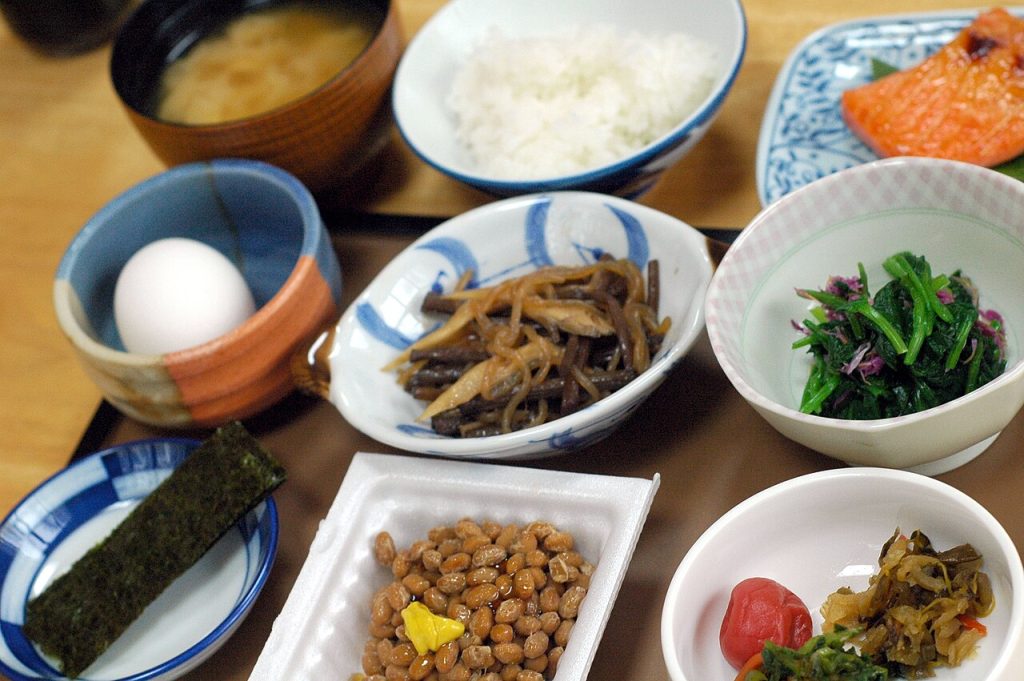
1. The Hidden Ingredients That Define a Dish
Often the most distinctive flavors come from ingredients that are either locally sourced or seasonally available. These components are rarely found in mass‑produced grocery stores but can be sourced online or at specialty markets.
Fermented Pastes and Spices
- Black salt (Kala Namak) – used in South Asian salads to add a subtle umami and sulfurous note.
- Ajwain seeds – a staple in Indian baking, offering a thyme‑like aroma that deepens baked breads.
- Fish sauce (Nam Pla) – beyond Thai cuisine, it’s a cornerstone in Vietnamese and Cambodian stews.
Regional Mushrooms and Herbs
- Porcini – prized in Italian risotto for its earthy richness.
- Shiso leaves – a Japanese herb that imparts a citrusy, minty flavor to sushi.
- Epazote – used in Mexican bean dishes to reduce gas and add a peppery depth.
2. Time‑Honored Techniques That Elevate Flavor
Beyond ingredients, the way a dish is prepared can unlock layers of taste that are often overlooked. Traditional methods tend to emphasize slow cooking, precise timing, and mindful preparation.
Dry‑Roasting and Toasting
Dry‑roasting spices or grains in a pan before adding them to a dish brings out nutty undertones. For example, toasting cumin before grinding releases a smoky aroma that cannot be replicated with pre‑ground spices.
Layered Marinades and Braises
Many traditional recipes call for marinating meat overnight and then braising it slowly. The extended contact time allows the flavors to penetrate deeply, resulting in tender, savory meat that melts in your mouth.
Fermentation for Depth
Fermented sauces like doenjang (Korean soybean paste) or pesto al fresco (Italian basil with aged cheese) develop complex profiles over weeks. Incorporating small amounts of these fermented condiments can transform a simple stir‑fry into a gourmet experience.

3. Regional Variations That Surprise
Even within a single country, dishes can differ dramatically based on local ingredients and climate. Exploring these variations reveals how geography shapes taste.
Sea‑Salt vs. Rock‑Salt
Coastal regions often use sea‑salt, which carries a subtle brine that enhances seafood dishes. Inland areas may rely on rock‑salt, adding a slightly mineral finish to stews.
Altitude‑Adjusted Cooking Times
High‑altitude regions cook foods faster, so traditional recipes may call for shorter simmering times. Adapting these timelines in lower elevations preserves the intended texture.
Seasonal Harvests
Traditional markets thrive on seasonal produce. For example, early‑spring Japanese cuisine features shungiku (Japanese iris leaves) in soups, while late‑summer dishes might incorporate kabocha (Japanese pumpkin). Using produce at its peak ensures maximum flavor.
4. Practical Tips for Bringing Tradition Home
Adopting these culinary secrets doesn’t require a professional kitchen. Here are actionable steps you can take in your everyday cooking.
- Source local ingredients. Visit farmers’ markets or join a CSA to find fresh, seasonal produce that’s often more flavorful than supermarket options.
- Learn basic fermentation. Start with simple projects like making kimchi or homemade miso to deepen your understanding of flavor development.
- Invest in a good cast‑iron skillet. This piece of cookware retains heat well and is ideal for dry‑roasting spices and searing meats.
- Experiment with small batches. Test a new technique or ingredient on a single portion before scaling up; this reduces waste and lets you refine your approach.
- Keep a flavor journal. Note what you added, the timing, and the final taste. Over time, you’ll build a personal reference guide.
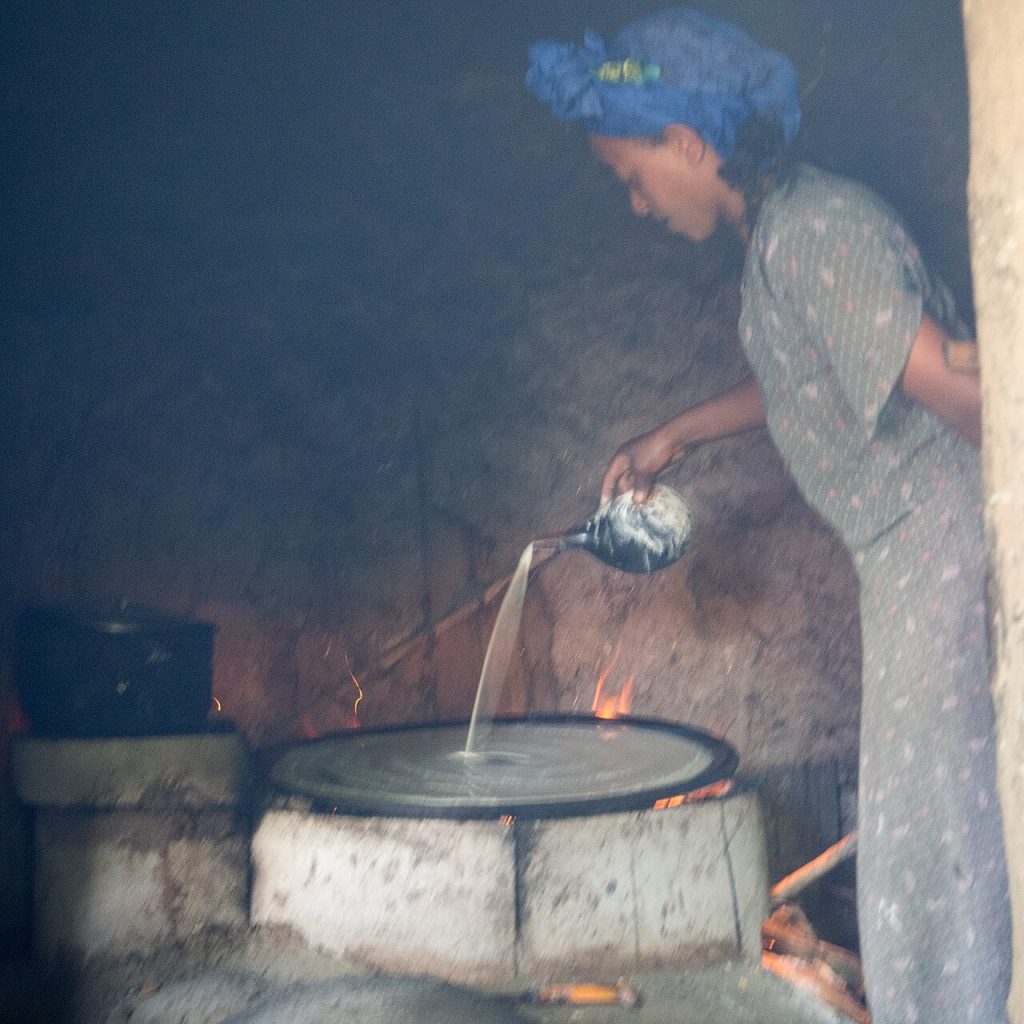
By embracing these hidden ingredients, traditional techniques, and regional nuances, you can elevate everyday meals into memorable culinary experiences. The next time you cook a classic dish, pause to consider the secrets that make it truly special. Your taste buds—and your guests—will thank you.