
Indonesian food is a treasure trove of flavors that can elevate ordinary meals into something memorable. Whether you’re a seasoned cook or just starting out, the country’s vibrant dishes offer simple, adaptable recipes that fit into any schedule.
Why Indonesian Food Inspires Everyday Cooking
Indonesia’s culinary landscape spans over 17,000 islands, each adding its own twist to a shared heritage. What unites these diverse regions is a love for fresh herbs, aromatic spices, and a balance of sweet, salty, and spicy notes. Because the core ingredients are widely available—rice, coconut milk, tamarind, and fresh chilies—anyone can bring a slice of the archipelago into their kitchen.
Essential Ingredients You Should Keep on Hand
Building a small pantry of Indonesian staples saves time and keeps your meals exciting. Below are the most common items and how to store them.
- Red and green chilies – keep them in a cool, dark place. For a milder version, use cili padi (bird’s eye chili) sparingly.
- Galangal – a cousin of ginger, it’s essential for many sauces. Store in a sealed container or in a paper towel wrapped in a plastic bag.
- Shredded coconut – toasted or raw, it adds texture to curries and desserts alike.
- Tempeh and tofu – plant‑based proteins that absorb flavors beautifully.
- Balado paste – a quick way to add heat; it can be homemade or bought ready‑made.
- Sweet soy sauce (kecap manis) – gives depth to stir‑fries and marinades.
- Tamarind paste – perfect for tangy sauces; keep it refrigerated.
- Fish sauce (saus tiram) – a salty umami boost for soups and dressings.
With these staples, you can craft a wide range of dishes from breakfast to dinner.
Three Quick Recipes to Try at Home
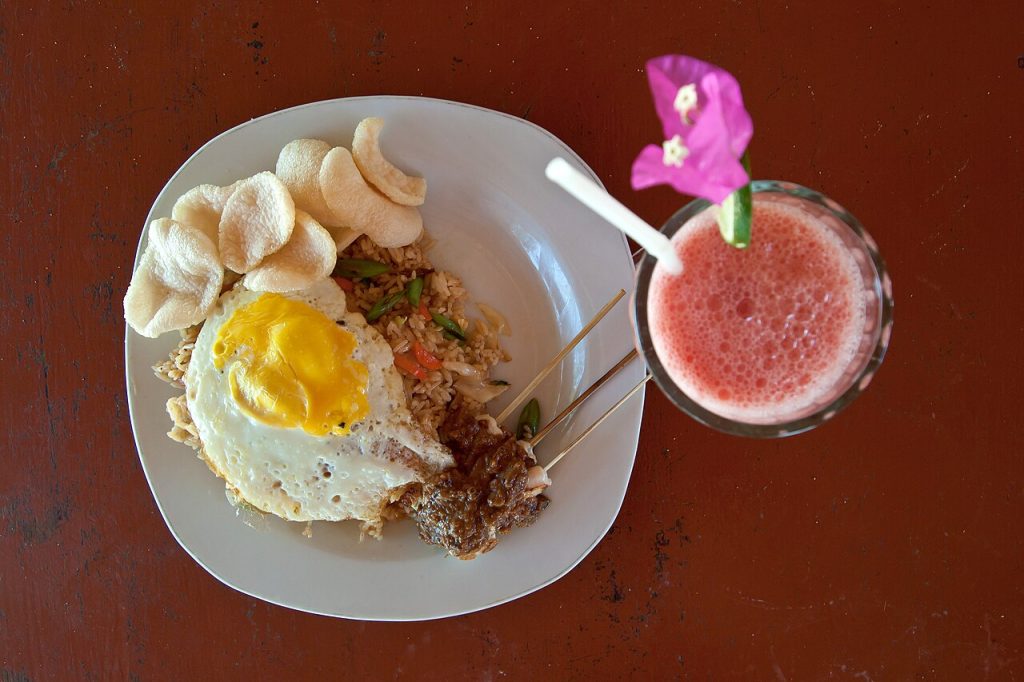
Nasi Goreng (Indonesian Fried Rice)
1. Cook 2 cups of jasmine rice and let it cool. 2. Sauté minced garlic, shallots, and a handful of sliced chilies in a wok. 3. Add diced carrots, peas, and cooked chicken or shrimp. 4. Stir in the rice, drizzle with kecap manis, and season with salt, pepper, and a splash of fish sauce. 5. Finish with a fried egg on top and a squeeze of lime.
Gado‑Gado (Vegetable Salad with Peanut Sauce)
1. Blanch green beans, spinach, and sliced carrots. 2. Prepare a peanut sauce by mixing ground peanuts, coconut milk, tamarind, garlic, chilies, and sweet soy sauce. 3. Toss the vegetables in the sauce, top with hard‑boiled eggs, and sprinkle fried shallots.
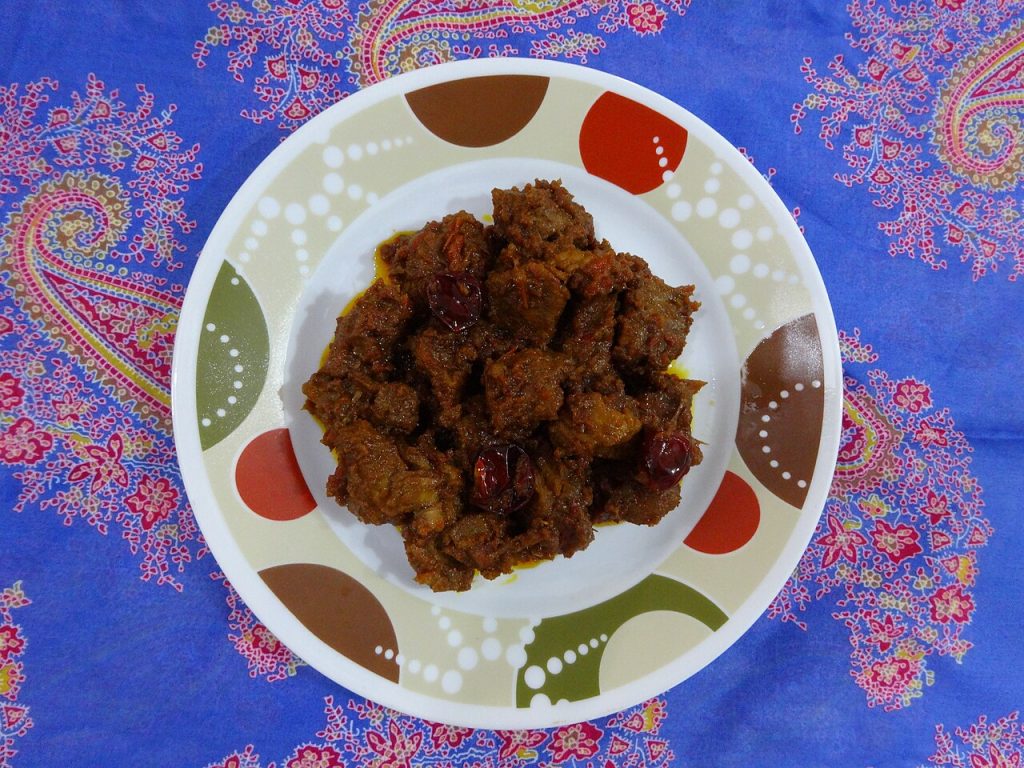
Rendang (Beef in Coconut Milk)
1. Brown 1 lb of beef cubes in a pot. 2. Add a spice paste made from galangal, lemongrass, turmeric, chilies, and cloves. 3. Pour in coconut milk and let it simmer until the liquid reduces and the beef is tender. 4. Add kaffir lime leaves for fragrance. 5. Serve with steamed rice.
Practical Tips for Adapting Indonesian Flavors
- Start small with heat – chilies can be overwhelming; adjust the amount to taste.
- Use fresh herbs – add basil, mint, or kaffir lime leaves at the end of cooking for bright aroma.
- Balance sweetness and acidity – tamarind or lime juice counteracts the richness of coconut milk.
- Repurpose leftovers – rice can become nasi goreng the next day; leftover curry can be mixed into a soup.
- Learn to balance flavors – taste as you go; a pinch of salt, a splash of sweet soy sauce, and a squeeze of lime can transform a dish.
Conclusion
Indonesian cuisine invites you to experiment with bold flavors, wholesome ingredients, and time‑saving techniques. By stocking a few essential staples and mastering a handful of versatile recipes, you can keep your meals fresh, exciting, and culturally rich. The next time you’re looking for culinary inspiration, turn to Indonesia’s vibrant kitchens—you’ll find a world of taste right at your table.