Introduction
Luxury foods—think truffles, caviar, wagyu, saffron—are the pinnacle of culinary artistry. They demand precision, patience, and a deep respect for their origins. Even seasoned chefs can stumble when they overlook subtle nuances. Below, we break down the most frequent mistakes that turn a potential masterpiece into a culinary disappointment, and we offer practical solutions to keep your dishes on the high‑end side.
1. Ignoring Ingredient Provenance and Quality
Luxury ingredients are prized for their terroir and rarity. Using a lower‑grade substitute can completely alter the flavor profile.
- Common Mistake: Substituting cheap butter for high‑grade European butter in a beurre blanc.
- Why It Matters: The fat content, flavor, and emulsifying properties differ, leading to a thin, unstable sauce.
- Pro Tip: Source ingredients from reputable suppliers and verify certifications—look for terms like “PDO,” “DOP,” or “Caviar Grade.”
2. Mismanaging Temperature Control
Temperature is the backbone of many luxury preparations—from searing wagyu to poaching lobster.
- Common Mistake: Over‑searing a fillet of scallops, resulting in a rubbery exterior and loss of delicate sweetness.
- Why It Matters: Excess heat breaks down proteins and destroys subtle aromas.
- Pro Tip: Use a thermometer or the “finger test” for fish: gently press the center; it should feel firm yet give slightly.
3. Over‑Seasoning or Under‑Seasoning
Balance is key when working with potent flavors.
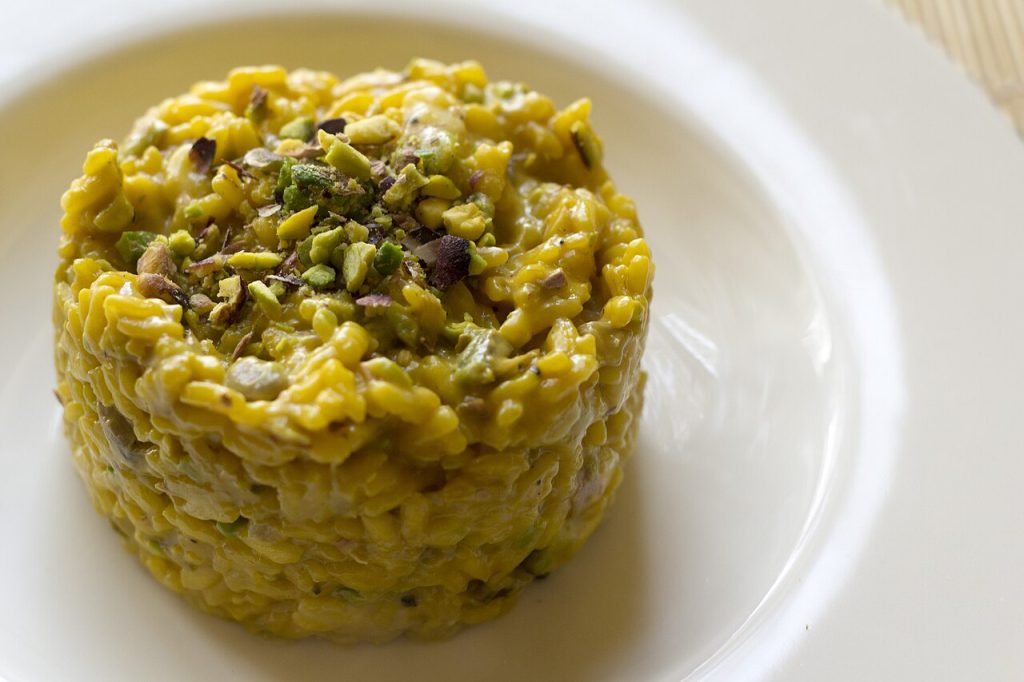
- Common Mistake: Adding too much salt to a saffron risotto, masking the delicate floral note.
- Why It Matters: Luxury ingredients often have intrinsic flavors that need to shine.
- Pro Tip: Season incrementally, tasting after each addition. Finish with a touch of acid (lemon juice or a splash of wine) to brighten the dish.
4. Neglecting Proper Plating Techniques
Presentation is part of the luxury experience.
- Common Mistake: Disorganized plating that feels rushed and unrefined.
- Why It Matters: A well‑arranged plate enhances aroma and signals meticulous care.
- Pro Tip: Use a plate size that complements the portion, leave negative space for visual breathing room, and garnish with edible flowers or microgreens for color contrast.
Practical Tips for Mastering Luxury Dishes
1. Master the Basics First
Before tackling exotic sauces, perfect foundational techniques like beurre blanc, proper searing, and stock reduction. Luxury dishes are built on these skills.
2. Respect Cultural Context
Understand the traditional methods behind each dish. For example, Japanese chefs use a “shokunin” mindset—dedication to craft—which translates to precise timing and temperature in your kitchen.
3. Use the Right Tools
Invest in quality pans, a reliable thermometer, and a sharp chef’s knife. The right equipment reduces errors and improves consistency.
4. Keep a Culinary Journal
Document each trial—ingredients, proportions, timing, and results. Over time, you’ll refine your approach and avoid repeating mistakes.
Conclusion
Luxury cuisine is as much about respecting the ingredients as it is about technical mastery. By avoiding common pitfalls—such as using subpar ingredients, mishandling temperatures, misbalancing seasonings, and neglecting presentation—you can elevate your dishes to true gourmet status. Embrace the learning curve, keep detailed notes, and let each plate tell a story of precision and passion.