
Indonesian cuisine is a treasure trove of bold flavors, fragrant spices, and comforting textures. Whether you’re a seasoned cook or just starting out, these recipes will help you create mouth‑watering dishes that feel like a trip to the tropics—all from your own kitchen.
Why Indonesian Food?
Indonesia’s culinary identity is built on a mix of regional influences, from the Malay archipelago to Chinese, Indian, and Dutch traditions. The result is a menu that balances sweet, savory, spicy, and sour notes. Cooking Indonesian dishes at home offers a chance to explore this diversity without leaving your table.
Key Ingredients That Make the Difference
Spices and Aromatics
- Galangal – a ginger‑like root that adds citrusy, peppery undertones.
- Coriander seeds – toasted and ground for a nutty, bright flavor.
- Cumin – provides earthy depth.
- Cloves and star anise – used sparingly for warm, sweet aromas.
- Turmeric – gives golden color and mild earthiness.
- Shredded lemongrass – imparts a fresh, lemony brightness.
Coconut Milk and Palm Sugar
Coconut milk is the backbone of many curries and sauces, lending a rich, creamy texture. Palm sugar, the local sweetener, balances spice and acidity with its caramel‑like sweetness. These two staples are essential for achieving an authentic Indonesian taste.
Popular Dishes to Try at Home
Nasi Goreng (Indonesian Fried Rice)
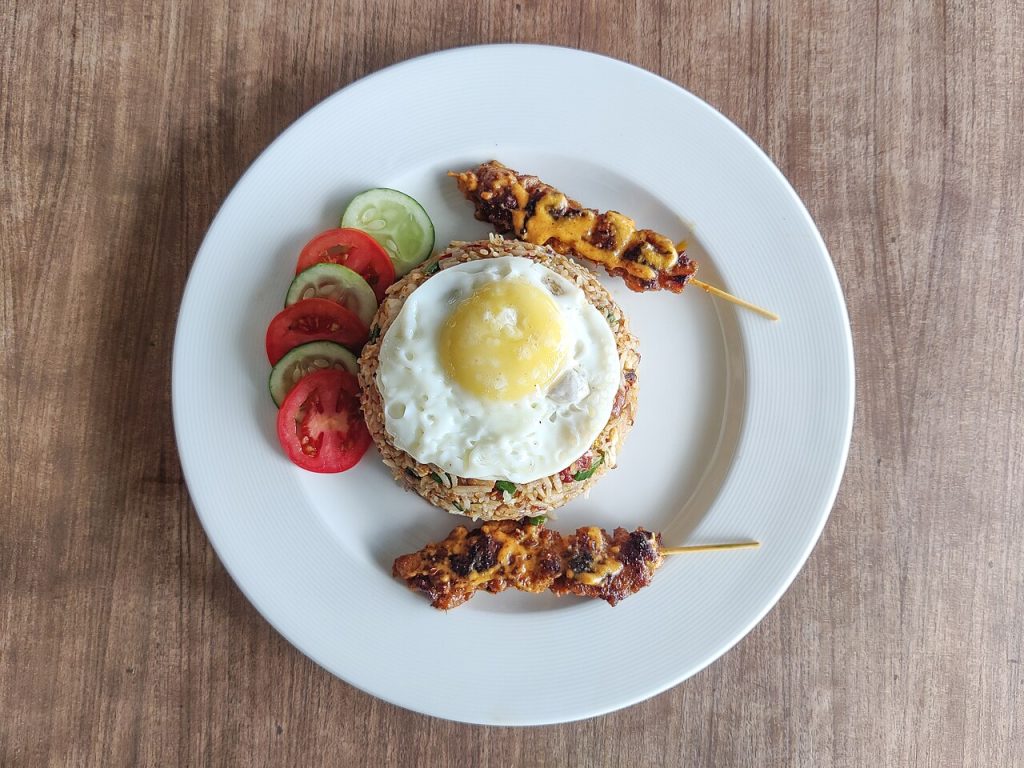
Start with fragrant rice cooked the night before. Sauté garlic, shallots, and sliced chili until aromatic. Add diced chicken or shrimp, then stir‑in a splash of sweet soy sauce (kecap manis) and a spoonful of tamarind paste for acidity. Finish with a fried egg on top and fresh scallions.
Satay Skewers with Peanut Sauce
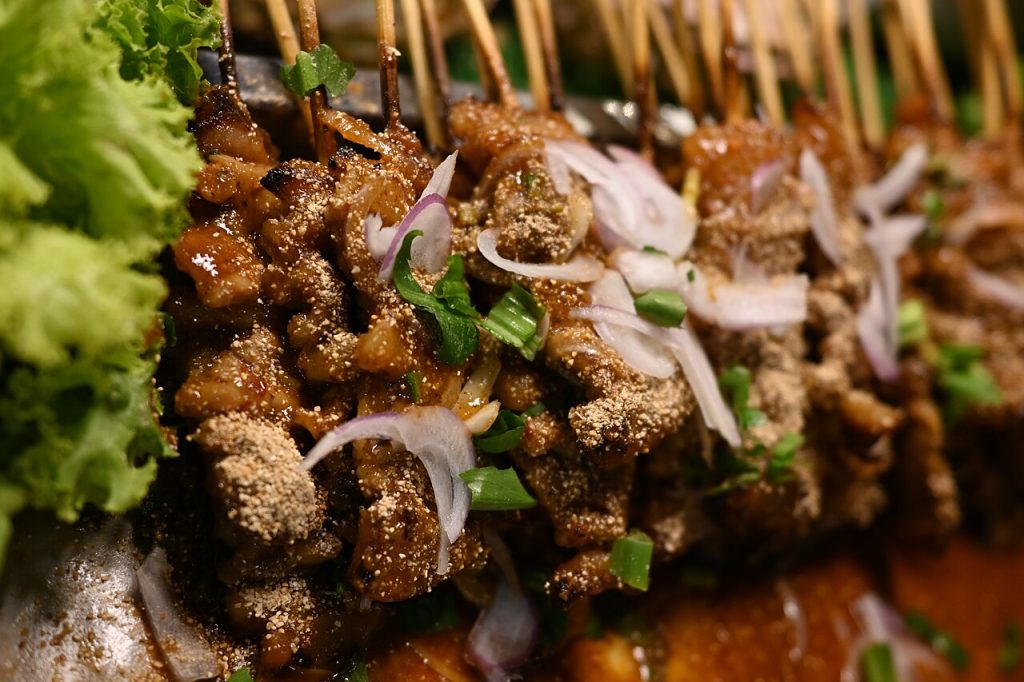
Marinate thinly sliced beef or chicken in lime juice, garlic, ginger, and a touch of sweet soy sauce. Thread onto bamboo skewers and grill until charred. Serve with a silky peanut sauce made from ground peanuts, coconut milk, lime zest, and a dash of chili.
Gado‑Gado (Indonesian Salad)
Boil or steam an assortment of vegetables—green beans, carrots, and spinach—then toss with hard‑boiled eggs and blanched tofu. Dress with a nutty peanut sauce, and sprinkle with fried shallots for crunch. It’s a wholesome, plant‑based meal that’s both colorful and satisfying.
Rendang (Beef in Spicy Coconut Sauce)
Slow‑cook beef cubes in a mixture of coconut milk, turmeric, ginger, lemongrass, and a blend of ground spices. Add kaffir lime leaves and bay leaves for depth. The sauce thickens into a caramelized, aromatic glaze that coats every piece of meat.
Practical Tips for Authentic Flavor
- Use fresh herbs. Replace dried lemongrass with fresh stalks for a brighter aroma.
- Toast spices. Lightly toast whole spices before grinding to release essential oils.
- Balance the taste. Taste as you go—add a pinch of salt, a splash of lime, or a drizzle of palm sugar to fine‑tune the flavor.
- Cook the rice properly. For nasi goreng, use day‑old rice; it’s drier and fries better without sticking.
- Use a good wok. A wok’s high sides and heat distribution make stir‑fries easier and faster.
Conclusion
With a handful of key ingredients and a few simple techniques, you can recreate the rich tapestry of Indonesian cuisine right in your kitchen. Whether you’re whipping up a quick nasi goreng or simmering a comforting rendang, these recipes invite you to savor the warmth and vibrancy of Indonesia’s culinary heritage. Happy cooking!