
Japanese cooking is less about flamboyance and more about harmony of ingredients, technique, and timing. Even a seasoned home chef can slip into common traps that compromise the delicate balance of a dish. Below we break down the most frequent mistakes, explain why they happen, and give you actionable tips to keep your meals on point.
1. Using the Wrong Rice
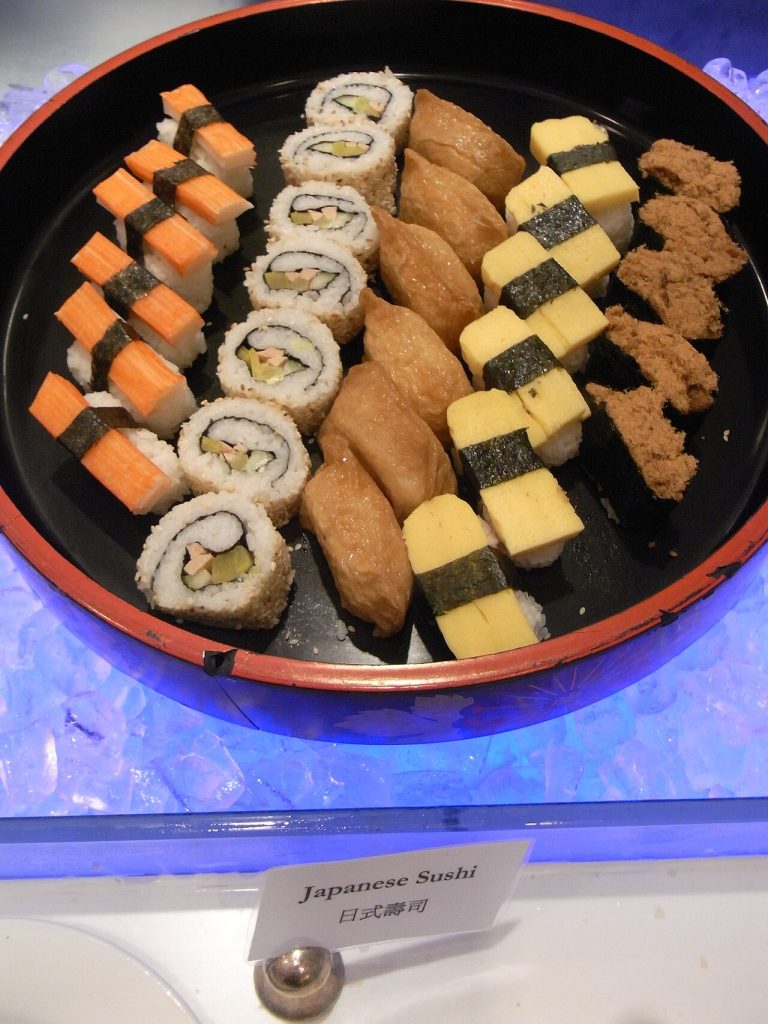
Rice is the backbone of many Japanese meals. The difference between short‑grain, medium‑grain, and long‑grain rice isn’t just texture—it determines how the dish feels in the mouth. The most common error is substituting a high‑gluten long‑grain rice for the sticky short‑grain variety required for sushi, onigiri, or donburi. The result? A dry, crumbly texture that falls apart under a knife.
Why it matters: Short‑grain rice has higher amylopectin content, giving it the necessary stickiness and slight chew. Long‑grain rice remains separate and fluffy, unsuitable for many classic dishes.
How to fix it: Always buy sushi or short‑grain rice from a reputable grocery or Asian market. Rinse it under cold water until the water runs clear, then soak for 30 minutes before cooking. Use a rice cooker or a pot with a tight‑fitting lid, and let it steam undisturbed for 10 minutes after the cooking cycle ends.
2. Skipping the Proper Soup Base
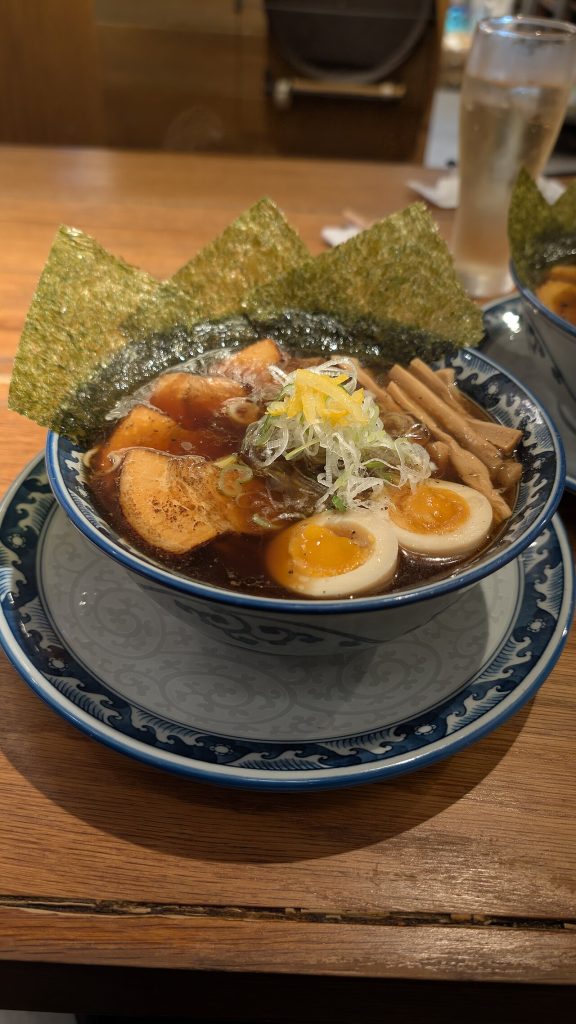
Whether it’s dashi for miso soup or a clear broth for ramen, the foundation of a Japanese dish is its soup base. Many beginners either use pre‑made bouillon cubes or forget to simmer the stock long enough, resulting in a flat, one‑dimensional flavor.
Common pitfalls:
- Using instant dashi powder instead of kombu and bonito flakes.
- Adding soy sauce or mirin too early, which masks delicate notes.
- Over‑simmering and losing the subtle aroma of the sea.
Solution: For a basic dashi, combine 4 cups of water, a 5‑cm piece of kombu, and 20 grams of bonito flakes. Bring to just below a boil, then remove the kombu before the water starts to bubble. Let the bonito steep for 2 minutes, strain, and you’re done.
3. Overcooking Fish and Seafood
Fish is the star of many Japanese dishes—from sashimi to grilled nigiri. The trick is to cook it just enough to keep it tender and moist. Overcooking leads to a rubbery, dry texture that masks the fish’s natural flavor.
When grilling or pan‑frying, aim for a sear on the outside while leaving the inside slightly translucent. If you’re steaming or simmering, keep the heat low and monitor the fish closely. A good rule of thumb: cook for 2–3 minutes per inch of thickness.
4. Ignoring Texture in Vegetables
Japanese cuisine relies heavily on contrast—soft, crunchy, chewy. A common mistake is over‑steaming or under‑cooking vegetables, which diminishes this contrast. For example, blanched spinach should be bright green and crisp, not soggy.
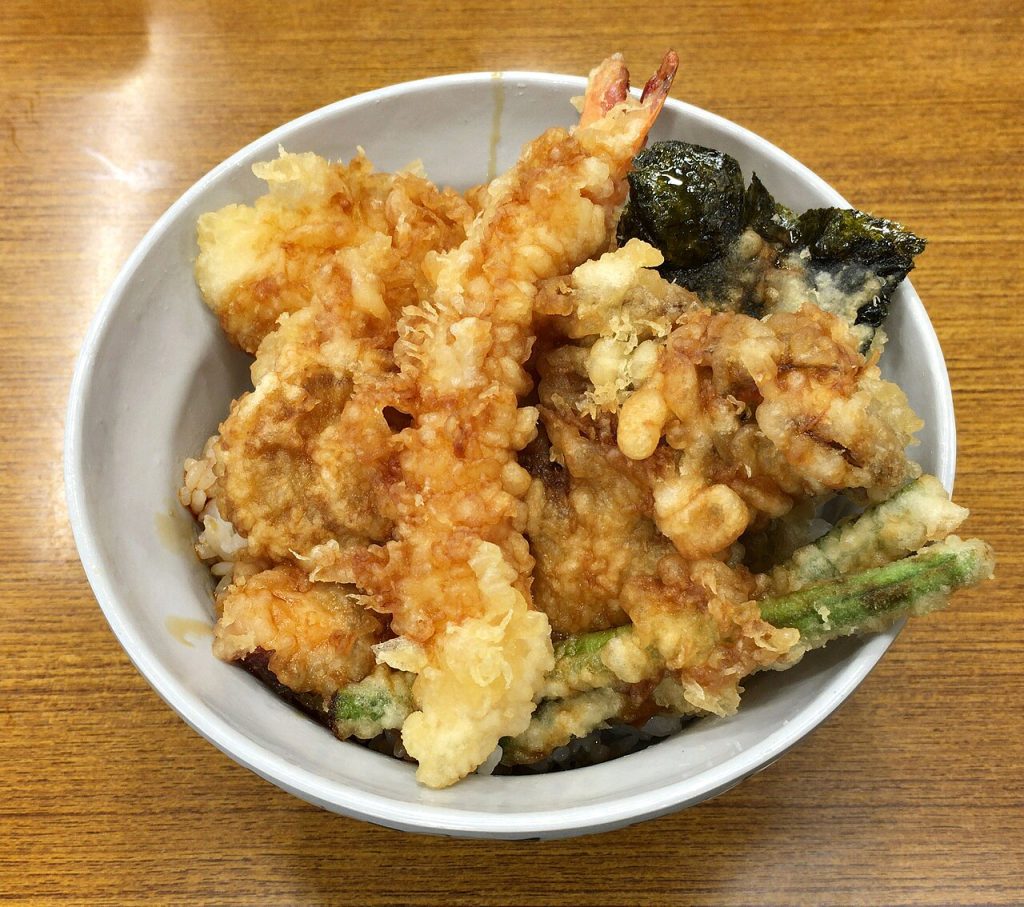
Tip: Blanch vegetables in ice water to stop the cooking process instantly. This preserves color and crunch. For tempura, keep the batter cold and the oil hot—about 350°F—to ensure a light, crisp coating.
5. Forgetting the Umami Boost
Umami is the savory fifth taste that Japanese dishes are built around. A common error is not layering umami elements—such as using plain soy sauce, ignoring mirin, or neglecting fermented ingredients like miso or shichimi togarashi.
Start with a balanced base: a touch of soy sauce, a splash of mirin, and a spoonful of miso for soups. Finish with a dash of bonito flakes or a sprinkle of seaweed to deepen the flavor profile.
Practical Quick‑Fix Checklist
- Rice: Use short‑grain; rinse, soak, and steam properly.
- Broth: Simmer kombu and bonito for a clean dashi; avoid instant powders.
- Fish: Cook to just the right doneness; use low heat for steaming.
- Vegetables: Blanch in ice water; keep tempura batter cold.
- Umami: Layer soy, mirin, miso, and bonito; finish with seaweed.
Conclusion
Mastering Japanese cooking is a journey of precision, respect for ingredients, and continual refinement. By avoiding these five common mistakes—wrong rice, improper soup base, overcooked fish, neglected textures, and missing umami—you’ll elevate your dishes from ordinary to authentic. Remember, each element plays a role, and the harmony of all parts is what makes Japanese cuisine so enduringly beloved.