Introduction
Thai cuisine is celebrated worldwide for its balanced blend of sweet, sour, salty, and spicy notes. It’s not just delicious; it’s also a treasure trove of fresh herbs, spices, and wholesome ingredients that offer numerous health benefits. Whether you’re a seasoned foodie or just starting to experiment with international flavors, this guide will help you understand why Thai food matters, showcase classic dishes, and provide practical tips to cook like a Thai chef right in your own kitchen.
Health Benefits of Thai Food
Rich in Antioxidants and Anti-Inflammatory Foods
Thai dishes often feature ingredients such as lemongrass, galangal, and turmeric—plants known for their potent antioxidant and anti-inflammatory properties. These herbs help reduce oxidative stress, support immune function, and can lower the risk of chronic diseases.
Balanced Macros and Low Fat Options
Many Thai recipes rely on lean proteins (chicken, fish, tofu) and plenty of vegetables, keeping calorie density low while providing essential vitamins and minerals. Coconut milk, a staple in many curries, offers healthy fats that promote heart health when used in moderation.
Digestive Health and Probiotics
Fermented foods such as pickled vegetables and fermented fish sauces (nam pla) introduce beneficial bacteria that aid digestion and strengthen gut flora. Combined with fiber-rich vegetables, Thai meals can improve bowel regularity and nutrient absorption.
Key Ingredients and Flavor Profiles
- Lemongrass – adds citrusy freshness and acts as a natural preservative.
- Galangal – offers a sharp, peppery aroma, similar to ginger but with a distinct piney undertone.
- Fish sauce – a salty, umami-rich condiment that forms the backbone of many sauces.
- Fresh chilies – provide heat; the level can be adjusted to suit personal tolerance.
- Thai basil and mint – deliver bright, aromatic notes that balance the heaviness of coconut milk.
These core components work together to create the signature “four tastes” – sweet, sour, salty, and spicy – that define Thai cooking.
Classic Thai Dishes to Try
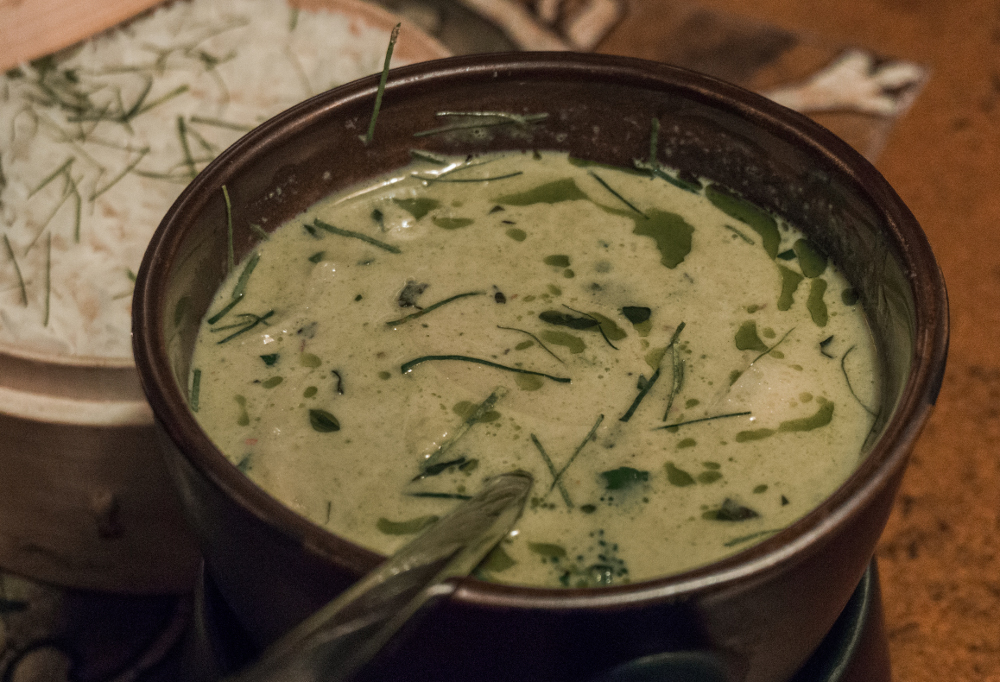
Green Curry (Gaeng Keow Wan)
Made with a green curry paste that includes green chilies, lemongrass, galangal, and kaffir lime leaves, this dish is creamy and aromatic. It pairs beautifully with chicken or tofu and is served over jasmine rice.
Pad Thai
A stir-fried noodle dish featuring tamarind sauce, crushed peanuts, bean sprouts, and a choice of protein. It’s a street‑food favorite that balances sweet, sour, and nutty flavors.
Tom Yum Goong
Shallow, aromatic soup that blends lemongrass, kaffir lime leaves, galangal, and fresh chilies. It’s typically made with shrimp and finished with a splash of lime juice and fresh cilantro.
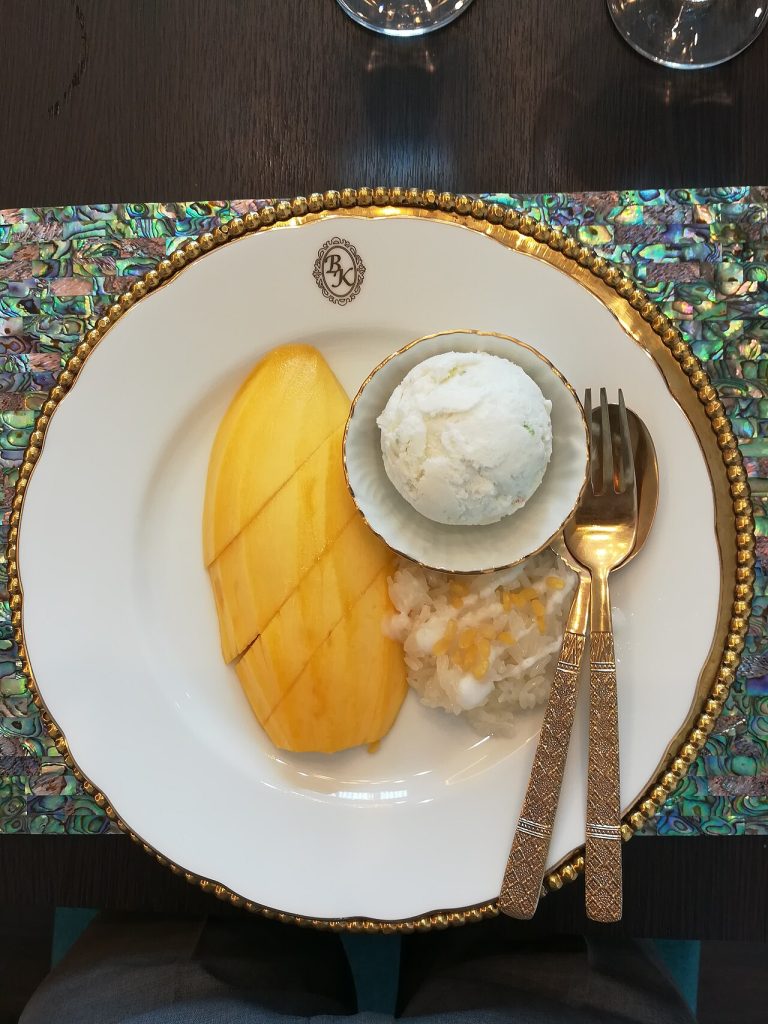
Mango Sticky Rice (Khao Niew Ma Muang)
A simple dessert of sweet coconut‑flavored sticky rice paired with ripe mango slices. It’s a perfect ending to a spicy meal.
Practical Tips for Cooking Thai at Home
- Start with a good paste. Freshly ground curry paste (or a high‑quality store brand) brings depth that pre‑made mixes can’t match. You can store extra paste in the freezer for future use.
- Use a wok or large skillet. The high heat of a wok helps sear vegetables quickly while preserving their crunch and color.
- Balance flavors. Taste as you go—add fish sauce for salt, lime for acidity, sugar for sweetness, and chilies for heat. Thai cuisine is all about harmony.
- Prep ingredients ahead. Chop vegetables, measure spices, and have your protein ready before you start cooking. Thai dishes cook quickly, so organization is key.
- Experiment with protein. While chicken and shrimp are common, tofu, pork, beef, or even seafood variations work well. Vegetarian options can substitute fish sauce with soy sauce.
Conclusion
Thai food offers a delightful combination of vibrant flavors, nutritious ingredients, and culinary versatility. By understanding its core components and practicing a few essential techniques, you can recreate authentic Thai dishes that delight the palate and support a healthy lifestyle. Dive in, experiment with spices, and enjoy the journey of bringing Thailand to your table.